

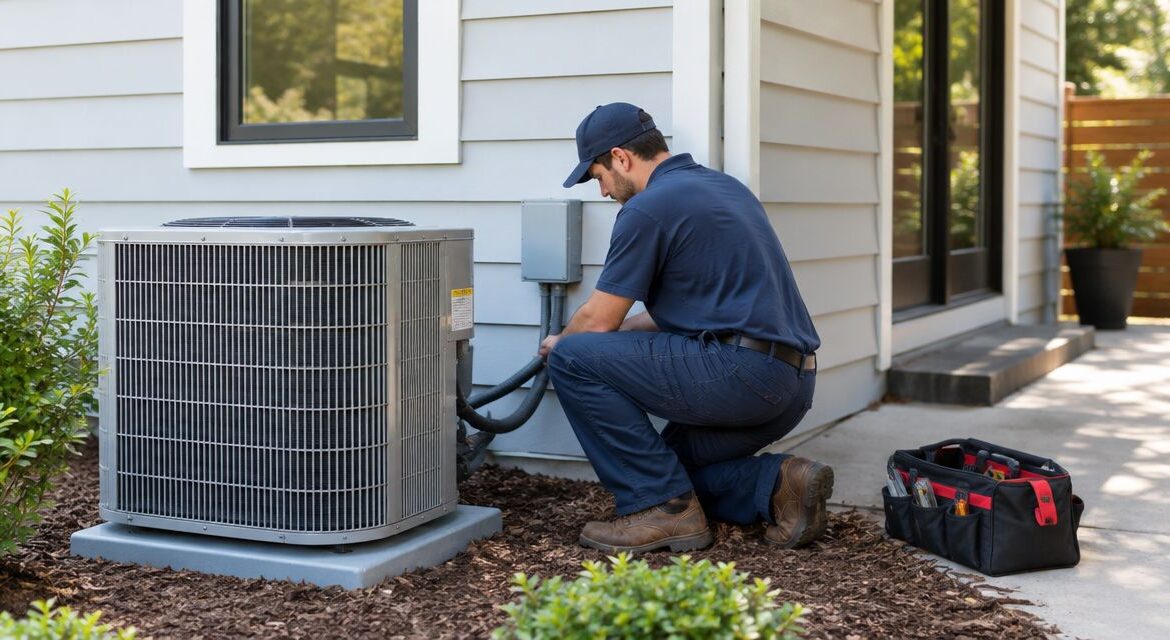
HVAC installation cost by system type comes down to five variables: the system you choose, the ductwork you already have, the size of the home, the permit and electrical scope, and the contractor's labor. Comfort Factor installs heat pumps, central AC, furnaces, and ductless systems across Sonoma, Marin, Napa, Solano, and Contra Costa counties. This page shows how each system type is priced in 2026 and where the money goes.
- HVAC installation cost by system type in 2026 depends mostly on ductwork, system size, and electrical scope.
- Ductless mini splits skip ductwork. Central systems and furnaces depend on it.
- Heat pumps may qualify for rebates in 2026, which can change the net cost of a project.
- Compare bids line by line: equipment, labor, permit, electrical, and duct changes.
Why this matters in 2026
Two homes of the same size can receive very different installation quotes in 2026. The gap rarely comes from the equipment brand. It comes from what the house needs around the equipment: duct repairs, a panel upgrade, a new line set, or a permit.
This page does not publish dollar figures. Prices move with equipment supply, labor, and rebate programs, and a number printed here would be stale quickly. For Bay Area cost detail, read how much heat pump installation costs in California and the matching guide on AC installation.
Installation cost drivers by system type
The table ranks each system type by what pushes its installed cost up or down. It is a comparison of cost drivers, not a price list.
| System type | Needs ductwork | Main cost driver | Best for | Tradeoff |
|---|---|---|---|---|
| Heat pump (ducted) | Yes | Duct condition, electrical capacity, size | Homes replacing both heating and cooling | Existing ducts may need repair |
| Ductless mini split | No | Number of indoor heads, line set length | Additions, ADUs, homes without ducts | More indoor units as zones increase |
| Central AC | Yes | Duct condition, coil and condenser match | Homes with good ducts that need cooling only | Does not heat |
| Gas furnace | Yes | Venting, gas line, duct condition | Homes that already have gas service | Does not cool |
| Dual fuel system | Yes | Two pieces of equipment plus controls | Homes that want a gas backup for cold snaps | Highest equipment scope of the group |
Which system type has the lowest installation scope
A single-zone ductless mini split has the smallest scope of the group: one outdoor unit, one indoor head, and a short line set. Cost climbs with each added indoor head. Verdict: Buy for a single room or addition; compare against ducted options for whole-home needs.
Which system type has the highest installation scope
A dual fuel system pairs a heat pump with a furnace, so you pay for both pieces plus controls. It earns its place where winter backup matters. Read the dual fuel heating guide before you ask for a quote. Verdict: Hold until you confirm a heat pump alone cannot cover your winters.
What the cost spread tells you
The widest swings in a quote come from the house, not the box. Three items explain most of it:
- Ductwork. Leaky, undersized, or uninsulated ducts either get repaired or replaced. Ductless systems avoid this line item entirely.
- Electrical. A heat pump or large AC may need a dedicated circuit or a panel upgrade. Older homes hit this more often.
- Sizing. An oversized system costs more to buy and short cycles. A correct load calculation protects your money.
Duct problems are the most common surprise. If your home has older ducts, ask for a duct inspection before you approve any system quote.
Methodology and limits
This comparison draws on installation scope by system type as Bay Area HVAC contractors price it. It does not report a market-wide average cost, because no single reliable figure covers all five counties and every home type. The limitation is plain: your quote depends on an on-site visit, and no table replaces one.
How to use this comparison
- Decide heating, cooling, or both. A heat pump covers both. Central AC and a furnace each cover one. The heat pump versus furnace guide walks through the choice.
- Check your ducts first. Good ducts favor a ducted system. Poor or missing ducts favor ductless.
- Ask for itemized bids. Equipment, labor, permit, electrical, and duct work should each appear as a line.
- Check rebates before you sign. Eligibility rules change, so read the current guide on qualifying for Bay Area heat pump rebates in 2026.
Get an itemized installation quote
Compare system types for your home with a Bay Area contractor.
What to compare between two bids
Two bids for the same system type can differ by thousands of dollars in scope. Line them up on these points:
- Is the system sized from a load calculation, or guessed from square footage?
- Does the bid include the permit and inspection?
- Does it cover duct sealing or repair, or leave ducts untouched?
- Is electrical work included or listed as an extra?
- What warranty applies to parts and labor?
A bid that leaves these blank is not cheaper. It is incomplete. Comfort Factor, a Bay Area HVAC contractor, is built around itemized estimates so homeowners can compare real scope across the five counties it serves.
FAQ
What affects HVAC installation cost the most?
Ductwork condition, system size, and electrical scope affect cost the most. Equipment brand matters less than what the house needs around the equipment.
Is a ductless mini split cheaper to install than central AC?
For one room or a small addition, usually yes, because there is no ductwork. For whole-home coverage, added indoor heads can close the gap, so compare both bids.
Does a heat pump cost more to install than a furnace?
It depends on the home. A heat pump covers heating and cooling, so compare it against a furnace plus AC, not a furnace alone.
Can rebates lower HVAC installation cost in 2026?
Yes, heat pumps may qualify for rebates in 2026. Eligibility depends on the program, your location, and the equipment, so confirm before you sign.
Do I need a permit to install HVAC equipment?
Most system replacements in California need a permit. A licensed contractor handles the filing, and the bid should state whether it is included.
How do I compare two HVAC installation quotes?
Compare itemized scope: equipment, labor, permit, electrical, and duct work. A bid that omits a line is not truly lower.
One last thing
The cheapest quote usually leaves out the duct inspection. Ask every contractor to put ductwork status in writing before you compare totals. For a Bay Area AC-specific view, see the guide on AC installation cost in the Bay Area.
Related guides